Martin Lawrence Addresses Ari Lennox’s Colorism Comments About Martin
- Martin's edgy humor reflects 90s norms, but now faces scrutiny over racial insensitivity
- Actors defend jokes as lighthearted banter, while some viewers see harmful colorism
- Changing cultural lens prompts reexamination of beloved shows' legacy and impact
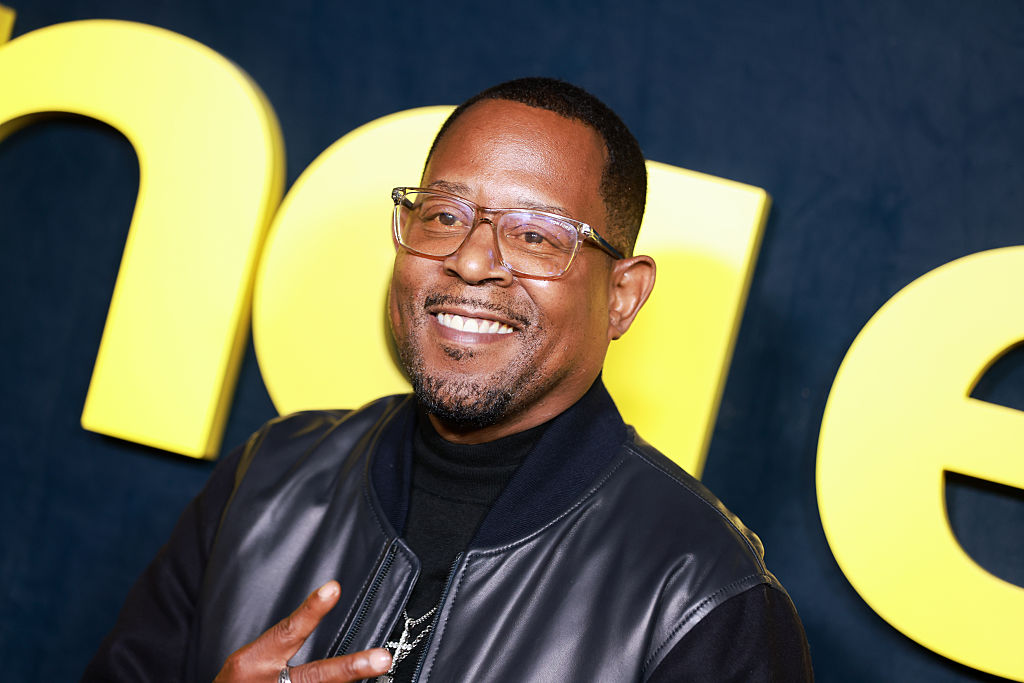
Another long-running conversation about colorism and comedy has found its way back into the spotlight, this time centered on the beloved 1990s sitcom Martin. The renewed debate began after singer Ari Lennox shared her feelings about how the show treated Pam, the outspoken best friend played by Tichina Arnold.
Want news at your fingertips? Text “ERICA” to 52140 to join our club. (Terms and conditions)
CLICK HERE TO DOWNLOAD OUR APP AND TAKE US WITH YOU ANYWHERE!
Lennox explained that while she enjoys humor and doesn’t shy away from edgy jokes, the constant digs aimed at Pam crossed a line for her. She said the ridicule felt excessive and often appeared tied to Pam’s darker complexion, which made the jokes uncomfortable to watch. Her comments struck a nerve online, reopening discussions that many viewers thought had been settled years ago.
Now, Martin Lawrence has weighed in. Speaking candidly, the comedian defended the spirit behind the show’s humor, saying he never viewed the jokes as harmful or rooted in malice. According to Lawrence, the back-and-forth between Martin and Pam reflected a familiar style of joking within Black culture—one where friends tease each other relentlessly without ill intent.
READ MORE STORIES ON GETUPERICA.COM:
Lawrence emphasized that both he and Arnold understood the jokes as part of a comedic rhythm that worked because of their chemistry and trust. He acknowledged Lennox’s right to her opinion but stressed that the goal was laughter, not cruelty. In his view, the humor came from “keeping it real” and pushing boundaries in a way audiences of the time embraced.
Arnold has echoed those sentiments before. During a previous appearance on Funny Knowing You, hosted by Deon Cole, she explained that the jokes were always about landing the funniest line, not about skin tone. Arnold said she understands why some viewers may interpret the jokes differently today, but she firmly believes they were never written with harmful intentions.
- Aretha Franklin’s Iconic Legacy and the Underrated Gems For Your Playlist
- Crazy, Sexy, ICONIC — TLC, Salt-N-Pepa & En Vogue Join Forces For Epic Tour
- Before You Send That Deposit, Watch for These Scam | Techie Tuesday
She also suggested that personal experiences can shape how people receive humor. In her view, unresolved feelings from real-life situations may influence how certain jokes land, especially when revisiting older shows through a modern lens.
The conversation highlights how cultural standards evolve. Martin, which aired from 1992 to 1997, was a product of its era—a time when sitcom humor often relied on exaggerated insults and sharp banter. Today, audiences are more likely to question the deeper implications of those jokes, especially around topics like colorism and representation.
Related Article: Martin Lawrence to Film “Young Martin” Series Prequel
Related Article: Ari Lennox Responds to Backlash After Criticizing Martin’s Jokes About Pam
Whether viewers agree with Lennox or side with Lawrence and Arnold, the discussion underscores an important shift: classic television is no longer frozen in time. As cultural awareness grows, so does the scrutiny. And while Martin remains a cornerstone of Black television history, its legacy—like many others—is now being reconsidered through a more critical, contemporary lens.
HEAD BACK TO GETUPERICA.COM


