The growing ambiguity around what counts as distracted driving
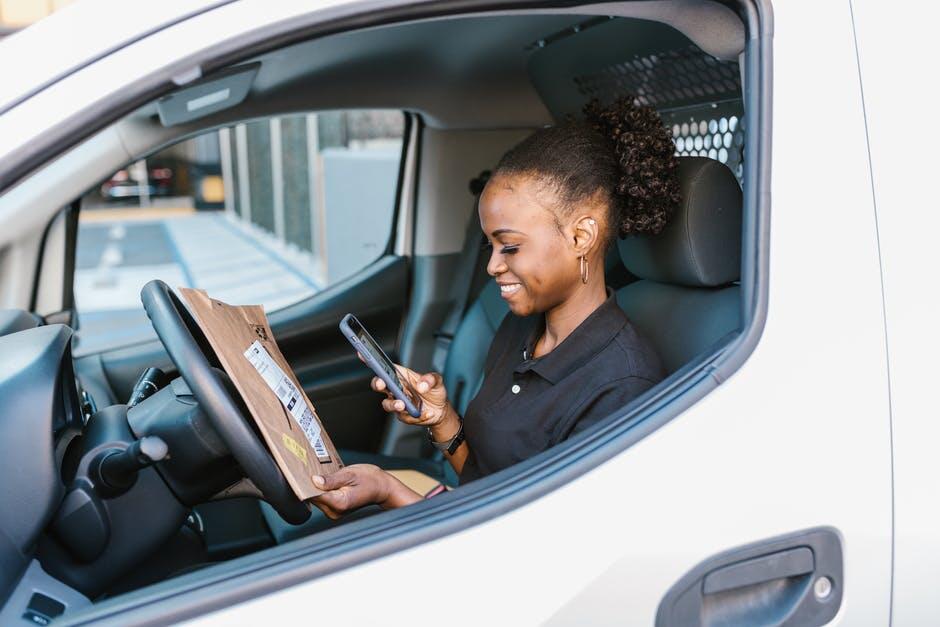
The meaning of “distracted driving” has shifted due to the rise of technology and infotainment systems in vehicles. Using a hands-free device can also be problematic if there is too much cognitive load.
The National Highway Traffic Safety Administration (NHTSA) reports that 3,208 people died in distraction-affected crashes in 2024. These numbers show that people have lost their lives over someone being over-engaged in car entertainment or social media. You don’t have to be typing or holding something to cause a preventable injury or fatality.
What Is Considered Distracted Driving?
Distracted driving occurs when operating a vehicle, and safety is impeded by visual, manual, or cognitive distractions.
Something may catch your attention visually, which causes you to take your eyes off the road. An example includes a driver focusing on attractive people they see while ďriving.
The tactile/manual element comes in when you’re touching something like:
- Dialing your cellphone
- Scrolling a social media app
- Interacting with navigation systems
While the ban on handheld devices in most states was supposed to solve these road safety problems, it simply made room for another type, cognitive load.
One can keep their hands on the wheel and eyes on the road and experience brain-related distractions. It may be something as innocent as getting into the music playing on their infotainment system.
An intense conversation during a hands-free phone call or with another passenger can also cause one to miss important road safety rules, such as signs or speed limits.
How Does Technology Affect Distracted Driving Laws?
Over 30 states and D.C. have hands-free laws. However, some laws have expanded to include not accessing or reading non-navigation content at all. Law enforcement is using their own technology, such as high-mounted cameras, to detect people holding phones.
Why Safe Driving Habits Matter
Distracted driving statistics from Geotab state that texting while driving gives the driver the same response time as a person who has drunk four beers in a single hour.
It only takes seconds for a bad move to create a life-changing event. Every day, there are vehicle collisions due to driver fault from intoxication, sleepiness, and reckless driving.
A distracted driver can hit another car or pedestrian, causing potentially devastating injuries or worse, fatalities.
Recovery from these incidents can involve several battles, such as:
- Lost wages
- Mounting hospital bills
- Ongoing therapy
- Property damage repair or replacement
What Are Legal Remifications for Distracted Driving Violations?
Penalties can vary by state and prior offences. California hands-free cell phone law has a first offense penalty of $20, but it can go up to $250 – $300+ for repeat violations.
Stay Alert on the Road
Distracted driving endangers anyone on the road. The evolving definition can help people understand how so much access to digital tools and built-in car systems can become a problem if you don’t stay focused.
Understand your state’s hand-free cell phone laws. From turning down the music a bit to pulling over when passenger conversations get too intense, learn how to make a ride smoother and fun, without it becoming dangerous.
Learn more ways you can practice safety by reading other articles on our website.