Why quick decision-making matters during home emergencies
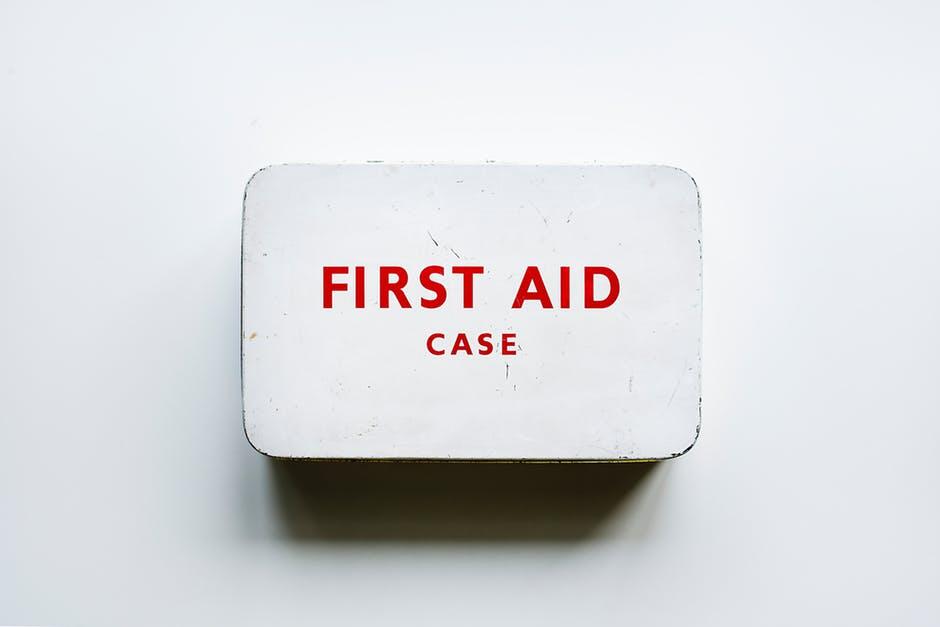
Quick decision-making in home emergencies can minimize structural damage and greatly improve survival rates in life-and-death situations. Rapid actions include using CPR, leading a swift home evacuation, and knowing which emergency services to call.
According to Quality Care ER, the first hour after a traumatic injury is called the Golden Hour, as prompt intervention can significantly improve survival rates and reduce complications. That’s why knowing home safety tips, like using a fire extinguisher, and understanding signs of danger, such as gas leaks, matters.
What Are Common Home Emergencies?
Common home emergencies involve system failures linked to fire, water, and electricity. A structural failure from age, poor maintenance, or weather events can cause:
- Power outages
- Kitchen fires
- HVAC failure during heat waves or winter freezes
- Gas leaks
- Floods from roof leaks or a basement sump pump fail
Mitigating Water Damage
After you get your family to safety, there’s still work to do upon returning home after a fire or massive leak evacuation. With 24-Hour Water Damage Restoration, professionals can make your home safe and livable again through:
- Drying equipment
- Testing for hazards and pathogens
- Cleaning
- Restoration
Handling Medical Emergencies
Cardiac arrest, lacerations, or choking on food are common medical emergencies that can happen at home. Quickly call 911 while applying pressure to bleeding areas or performing CPR as needed. If someone faints, lie them on their back and elevate their legs.
Why Does Emergency Preparedness Matter?
Emergency preparedness can help save lives and reduce recovery expenses. Acting quickly can avoid:
- Smoke inhalation
- Getting trapped
- Starvation/dehydration during a lockdown
- Mold growth and wood rot from wetness
- Complete home loss
Mitigating damage by shutting off gas or water valves during leaks can prevent catastrophic issues. Reducing bodily harm helps avoid extensive medical recovery costs.
Help your children learn life skills that enable them to grow into confident adults who can navigate intense situations.
Black Children Step Up at Home
13-year-old Virgil Smith of Texas used an air mattress to rescue 17 people during Hurricane Harvey, for which he received a Citizen Honors Award. Even younger Black children have stepped up in home emergencies.
ABC News reported that 5-year-old Cloe Woods saved her blind grandmother and dog during a Louisiana home fire after learning to do so during a class trip to the Kenner Fire Department.
What Are Some Key Tips for Crisis Management at Home?
Enhance your decision-making skills by understanding common dangers from local natural disasters and your home’s unique vulnerabilities.
Then you should:
- Create and practice an evacuation plan.
- Gather supplies from extra food to a bug-out bag.
- Place emergency kits (fire blankets and extinguishers) in easy-to-reach places.
Prepare for Unpredictable Home Events Now
Home emergencies can range from fires, floods, or heart attacks. Planning ahead by learning procedures like CPR or how to shut off your home’s water valve can prevent an emergency from becoming a life-altering event. Remember, children should be involved as they’ve proven capable of helping.
Treat your home as a castle and fortify it with knowledge of what to do during a crisis.
Enhance your life skills and knowledge with more helpful articles on our website.