How behind-the-scenes logistics shape the modern office experience
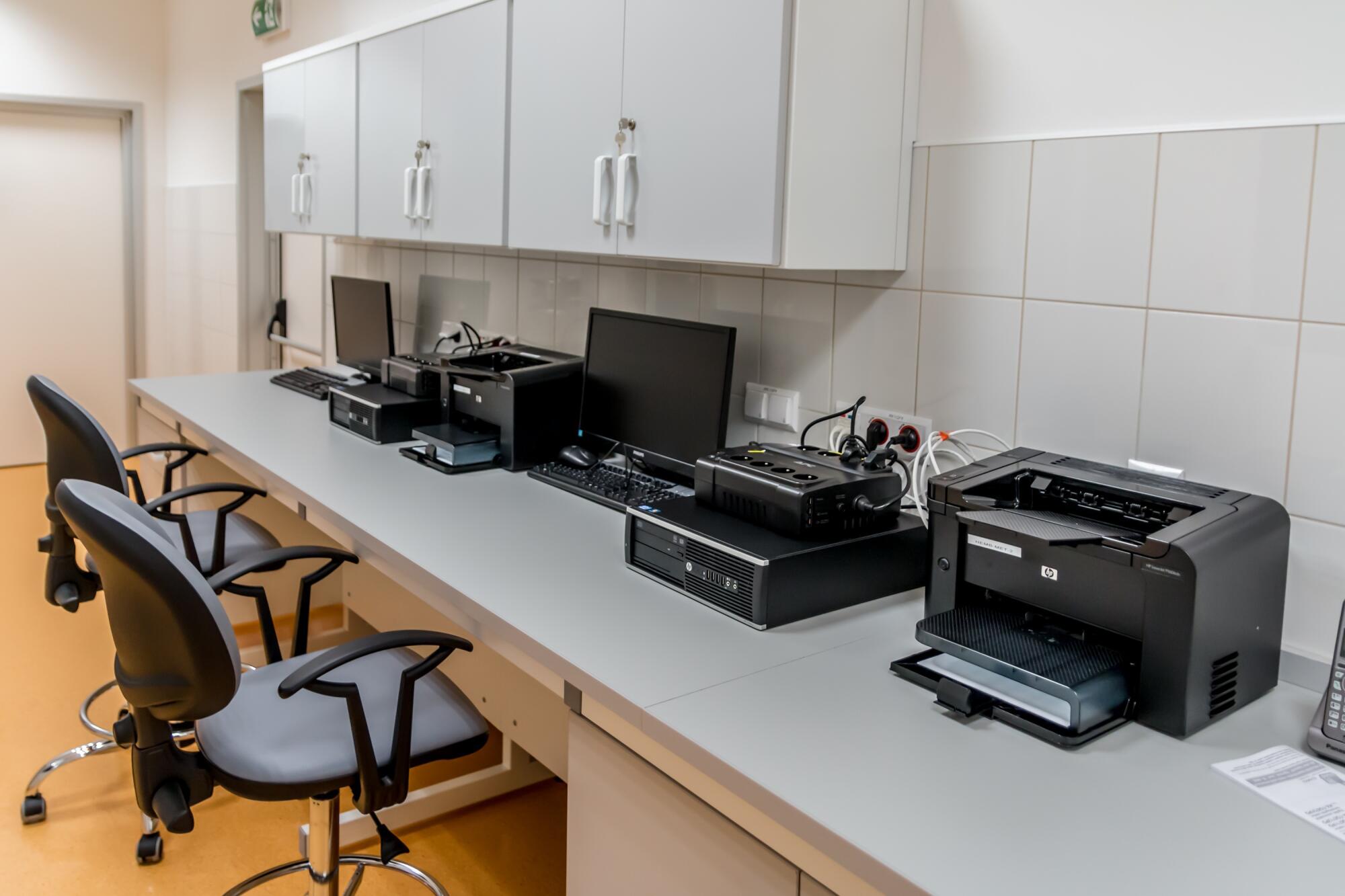
From operations to digital analysis, the office experience has been transformed behind the scenes to create happier and more productive employees. Thanks to data-driven tools, these environments have optimized cleaning schedules, automatic HVAC adjustments, and predictive maintenance. Workstations and meeting rooms have enterprise-grade equipment and “one-touch” operations.
According to McKinsey, about 34% of transportation providers have 8 or 9 various technology solutions in their operational deck. It shows that logistical improvements are spreading across all industries for better workflow and satisfaction.
How Have Logistics in the Workplace Improved?
More businesses are combining human labor with automation to improve workflow. Thanks to cloud computing, digital transformation has made it easier for hybrid and remote workers to consistently stay updated by the physical office.
Digitization has also permitted easier use of shared on-demand spaces, which provide flexibility for smaller companies to scale up or down as needed. This capability reduces the need for expensive overhead for larger facilities.
Thanks to sensor-driven utilization, employees and managers are less likely to run out of essential supplies and amenities. For example, IOT can track traffic and supply levels to ensure the employee restrooms are always clean.
Office spaces can stay comfortable through automated systems that handle HVAC adjustments. Such invisible operations monitor daily attendance to ensure the office stays at a comfortable temperature without wasting energy. It also helps companies save on utility expenses.
Thanks to predictive maintenance, you’re less likely to have a printer/copier fail at the last minute. Leasing such products also allows companies to avoid being locked into a purchase with the freedom to upgrade to an advanced model at the end of the contract. Offices can also automate their purchases of supplies, such as HP ink cartridges and toner, to ensure they never run out in the middle of a business day.
How Has Technology Improved the Office Experience?
Office productivity and efficiency have improved with AI-powered apps that use automation for repetitive tasks.
Workers use these tools to handle things like:
- Data entry
- Automatic emails
- Scheduling
Sourcing out these tasks means people can focus on cognitive roles. There’s more room for creativity and relationship management.
It’s easy for employees and managers to stay in touch, regardless of where they are in the world. With built-in advanced video conferencing from Zoom to interactive whiteboards, everyone can stay integrated and engaged at all times.
Has Employee Satisfaction Been Affected?
When employees don’t feel stressed from piles of paperwork or constantly get sick from bad indoor air, office dynamics often improve. Ergonomics improves employee health by reducing strain, particularly on the back. People are less likely to be frustrated when tools aren’t constantly breaking down, which can negatively affect workflow.
A better workflow with seamless integration helps reduce workplace errors, ranging from payroll to supply chains, to keep everything functioning for a happier environment. Employees can take pride in knowing they’re working at a modern workplace that is aiming to stay competitive.
Enjoy a Modern Office Experience
Stakeholders across industries understand the role that back-end technology and analysis have in creating a more positive office experience. Boost worker morale and productivity with automation and use predictive maintenance to keep equipment working.
Companies can save money and support healthier employees who’ll be more willing to grow with them.
If this content resonated with you, review our other business-related insights.