How modern plastic surgery is becoming less invasive and more precise
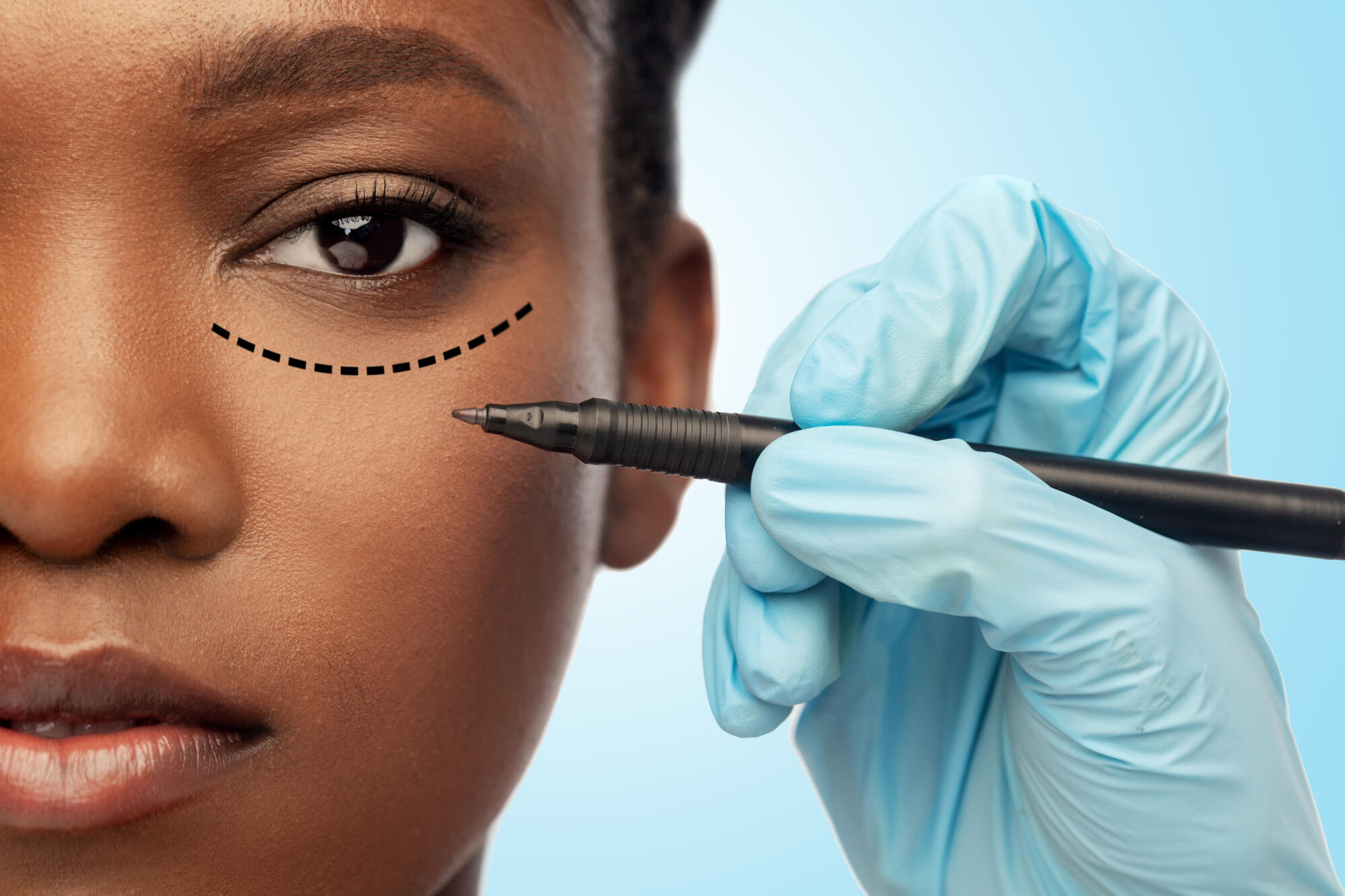
Modern plastic surgery has moved far beyond the dramatic, obvious-looking results that once made people hesitant to go under the knife. Surgeons now work with technology that allows for smaller incisions, faster recovery, and outcomes that look natural rather than constructed. According to the American Society of Plastic Surgeons, there has been an 83% increase in Black patient representation from 2010 to 2023, a shift that is pushing the industry toward more inclusive standards of care.
For Black patients who’ve historically faced a shortage of providers who truly understand melanin-rich skin and diverse body aesthetics, these advancements also mean more personalized, culturally competent care is becoming a realistic expectation rather than a lucky exception.
What is Minimally Invasive Plastic Surgery?
Minimally invasive surgery refers to procedures that achieve results through small incisions (or no incisions at all) rather than the large cuts traditional surgery requires. The goal is the same: meaningful cosmetic improvement. The difference is in what you give up to get there.
Recovery is shorter, scarring is less pronounced, and the risk of complications drops considerably compared to open surgical approaches.
Some of the most requested minimally invasive surgery options right now include:
- Thread lifts, which use dissolvable sutures to lift and tighten skin without a surgical facelift
- Radiofrequency microneedling, which targets skin laxity and texture from beneath the surface
- Endoscopic procedures, where a tiny camera guides the surgeon through micro-incisions
According to RealSelf’s 2025 trend report, patients are increasingly gravitating toward minimally invasive options precisely because the results now rival what used to require full surgery without the extended downtime.
How Has Technology Changed Modern Plastic Surgery?
The precision available to surgeons now would have been unrecognizable a decade ago. Modern plastic surgery increasingly uses tools like 3D imaging and AI-assisted surgical planning, which allow a surgeon to map a patient’s anatomy before making a single incision. That means fewer surprises in the opening room and outcomes that align much more closely with what you discussed during your consultation.
Robotic-assisted aesthetic surgical techniques also allow for a level of control and range of motion that surpasses what human hands alone can achieve, particularly valuable in delicate areas. The aesthetic surgery market is valued at over $24 billion in the U.S., and a significant share of that growth traces directly back to these precision surgery technology advances, making procedures safer and more effective at the same time.
Find A Surgeon Familiar With These Plastic Surgery Advancements
The combination of better tools and more skilled hands is genuinely changing what’s possible. If you want to see what this looks like in practice, top surgeon, Dr. Gabriel Chiu, brings this precision-first approach to Beverly Hills, with a reputation built on results that honor each patient’s natural features rather than overriding them.
The Latest Plastic Surgery Trends Have Evolved
Modern plastic surgery is no longer the all-or-nothing proposition it once was. Minimally invasive techniques, precision technology, and a broader cultural push toward natural-looking outcomes have genuinely expanded what’s possible and who those possibilities feel accessible to. Whether you’re curious about a subtle enhancement or a more significant change, the field has evolved enough that an informed conversation with a board-certified surgeon is worth having.
Looking for more health, beauty, and lifestyle coverage that speaks directly to our community? Keep it locked in, though this site.


