A House Fire Taught Me About Who Gets To Rebuild In America
I Haven’t Been Home In 2 Years: What My Family’s House Fire Revealed About Who Gets to Rebuild In ‘America’
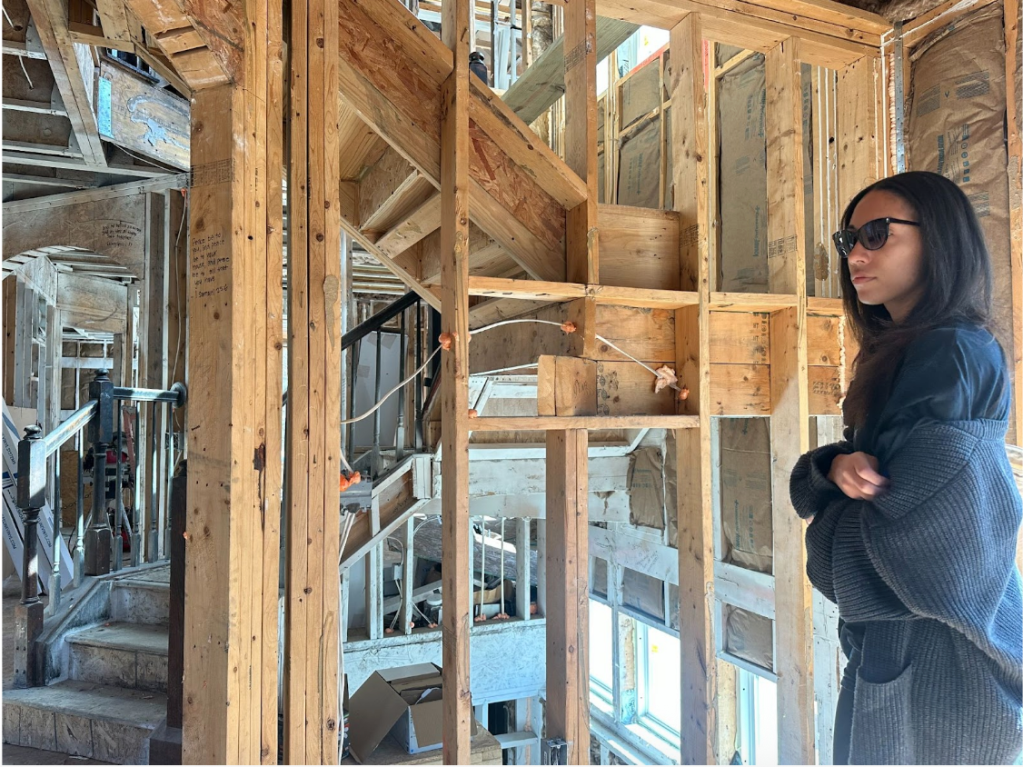
“I have not been home in two years.”
That’s not because I moved away, or chose something new, or outgrew where I came from. It’s because one night, just before dawn, my home burned to the ground, and everything that was supposed to help us rebuild has taken us further away from it.
At the end of my sophomore year at Howard University, I came home for the summer expecting rest, familiarity, and a reset. Instead, at around 4:00 a.m. on May 19, 2024, my family and I ran out of our house in the dark as it filled with smoke. Minutes later, it was gone.
I remember the red lights first. Flashing against the trees, bouncing off the windows of neighboring houses. I remember the sound of sirens cutting through the quiet of early morning. I remember standing there, watching firefighters move with urgency while everything we owned, including family photos, childhood memories, and things I hadn’t even unpacked yet, collapsed into ash, soaked in water, and disappeared.
The insurance company told us it was a “total loss.”
What we had left was each other, and what we inherited in its place was a process that has been slow, expensive, and uncertain. We are still trapped inside nearly two years later.
In the weeks that followed, my family did what so many families in crisis do. We adjusted. We improvised. We survived. My younger sisters finished their school year while we moved from hotels to Airbnb, back to hotels, and eventually into a long-term rental. We learned how to live without most of our belongings. We learned how to exist in a space that never quite felt like ours.
And we waited.
At first, we were told we’d be back home by July 2025. That date came and went. Then came new timelines, new delays, and new explanations because of rising material costs, supply chain issues, and labor shortages.
It wasn’t until I started asking more questions, and really listening, that I began to understand that what happened to my house didn’t end with the fire. It extended into something much bigger: Tariffs. Immigration policy. A housing market under pressure. These are things that usually get talked about like they exist far away from everyday life but are now sitting right in the middle of mine.
According to the Associated General Contractors of America, tariffs on key construction materials like lumber, steel, aluminum, and copper have driven up the cost of rebuilding across the country. Some of those materials are now subject to duties as high as 50%. Contractors are paying more, which means families like mine are paying more. And when costs rise, timelines stretch.
At the same time, immigration policies have tightened the labor force that construction depends on. The National Association of Home Builders reports that a significant portion of the construction workforce is foreign-born. When that labor pool is disrupted, projects slow down, prices go up, and delays compound. That’s what rebuilding looks like now.
And while all of this is happening, the broader housing market continues to drift further out of reach. A Redfin analysis shows that only 33% of 27-year-olds today own homes, compared to 40% of baby boomers at the same age. The gap isn’t just generational because who gets to recover from a loss like this, and how quickly, is never just about the fire.
It’s about whether you have access to insurance coverage, savings, flexibility, and stability. It’s about whether you can absorb delays without everything else in your life unraveling. And in America, those things have always been shaped by race.
Black families, in particular, have long faced barriers to homeownership, underinsurance, and discriminatory housing practices that make recovery harder and slower. From redlining to appraisal gaps to unequal access to credit, the housing system has always determined who gets to build and rebuild, and who gets left waiting. So when policies shift, when tariffs rise, when labor becomes scarce, and when costs increase, it doesn’t land on families already navigating a system that was never built with them in mind.
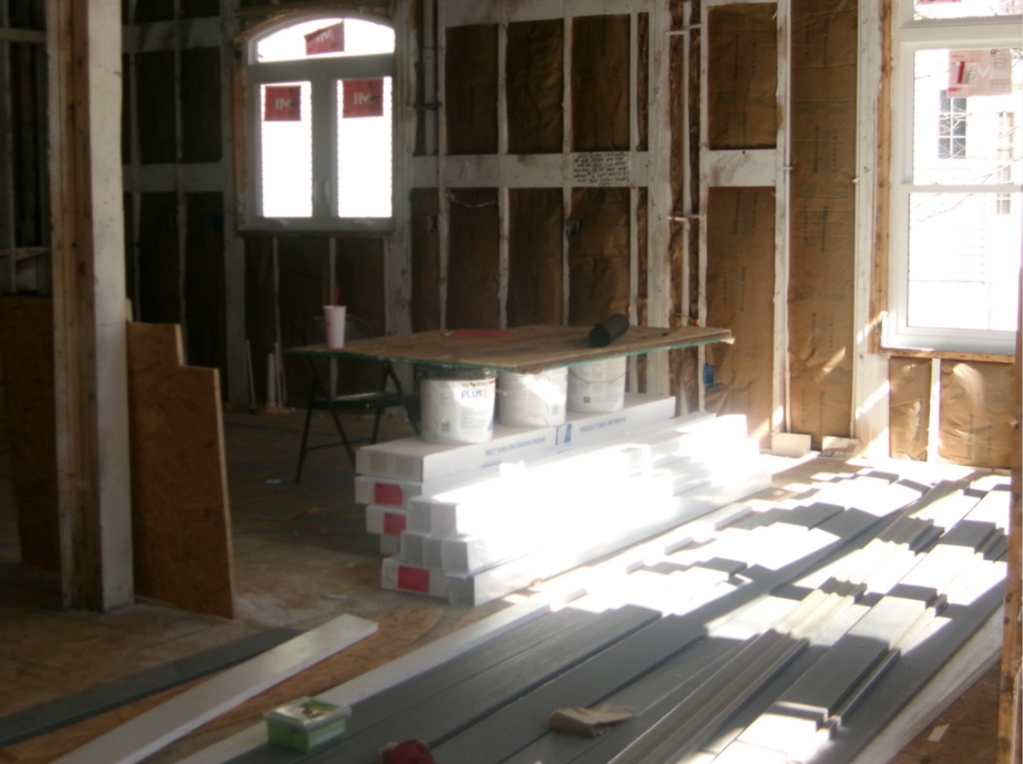
For my family, that reality is in every delayed update, every revised estimate, every month we spend in a place that is not home, and waiting for a return date that keeps moving further away. What I’ve learned over these last two years is that home is not just a place. It’s a timeline and a promise. It’s the expectation that when something is lost, there is a path to getting it back.
But in this economy, in this housing system, and in this country that path is not the same for everyone. Some people rebuild quickly. Some people rebuild eventually. And some people are still waiting like myself and my family are caught in the space between disaster and return, trying to make sense of why recovery feels so out of reach.
I am still waiting.
And what started as a house fire has become a lesson in how policy, economics, and history shape who gets to go home.
Taylor Kellum is a fourth-year student at Howard University pursuing an Interdisciplinary Studies degree with a concentration in International Relations and a minor in Media, Journalism, and Film. She is committed to amplifying underreported global perspectives and plans to pursue a Ph.D. in Communication, Media Studies, or History. You can follow her on Instagram @_TaylorKellum.
SEE ALSO:
Keke Palmer Handled It Gracefully, But Why Did She Have To?
NFL Says It Wants HBCU Talent But Overlooks These Players
I Haven’t Been Home In 2 Years: What My Family’s House Fire Revealed About Who Gets to Rebuild In ‘America’ was originally published on newsone.com